
How Does Shipment Consolidation Through Singapore Work?
October 15, 2026
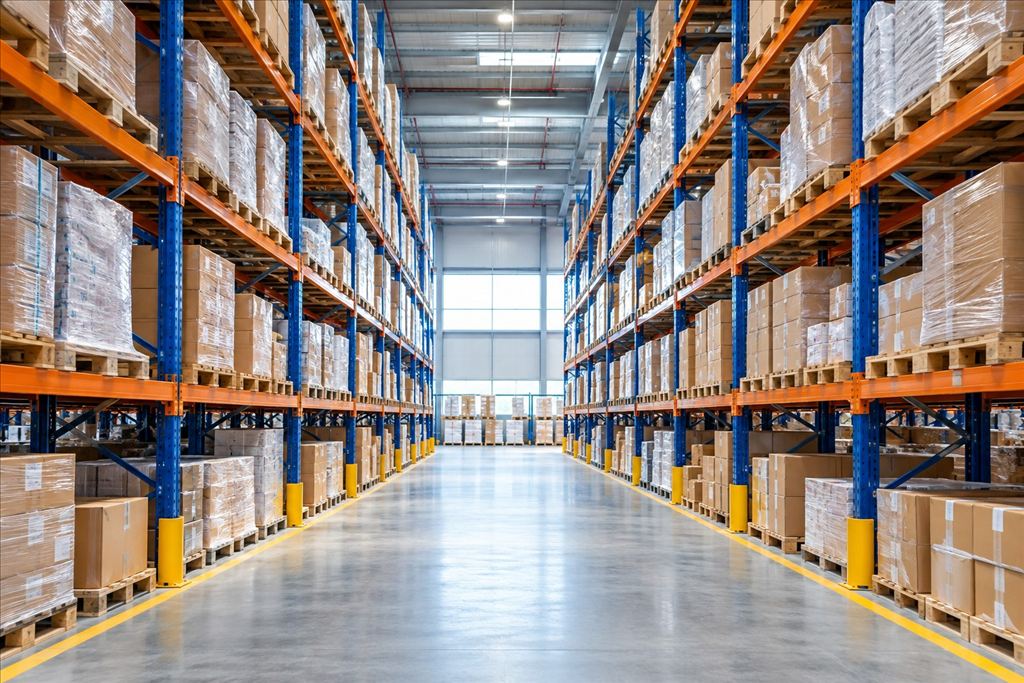
Shipment consolidation brings separate supplier orders together at an agreed receiving point before onward transport. For a business sourcing from several suppliers, a Singapore consolidation plan can coordinate receiving, packaging and dispatch for destinations across Southeast Asia. The right arrangement depends on the cargo, timing and route; it does not automatically make every shipment cheaper.
What happens during consolidation?
A typical planning sequence is to identify each supplier order, agree collection or receiving arrangements, reconcile the arriving packages, review any repacking needs and arrange onward movement. The precise steps and who is responsible for them should be agreed before suppliers release the goods.
Consolidation does not necessarily mean unpacking everything into one carton. Several cartons might travel as a coordinated shipment while keeping their own labels and packaging. Repacking is a separate decision that should consider protection, identification and the receiving requirements.
Prepare a supplier-by-supplier shipment list
- Supplier name and collection address, with a contact person.
- Purchase order reference, cargo description and quantity.
- Expected ready date for each order.
- Package count, packed weights and external dimensions.
- Final destination and required receiving arrangements.
- Invoice and packing-list availability, plus any special handling needs.
Agree a reference that each supplier can place on its packages. Ask how arrivals and discrepancies will be recorded. A shipment plan is easier to manage when a delayed carton can be traced back to its original order.
Compare the whole journey, not only the freight rate
Request a breakdown of collection, receiving, storage, repacking if needed, onward freight and final delivery. Check whether there is a minimum charge, an agreed storage period or a fee if one supplier is late. Ask which charges are included and which may be assessed separately.
For example, imagine three suppliers have goods ready on different days. Waiting for all three orders may simplify the onward shipment, but it may also postpone an urgent item. Compare a combined dispatch with sending the urgent order separately. This is a planning example, not a promise of a particular saving or transit time.
When might separate shipping be preferable?
Discuss separate dispatch when delivery deadlines differ, cargo needs incompatible handling, one order is not ready, or the extra receiving and storage work outweighs the benefit of grouping the orders. Any controlled or restricted goods need a suitability review before they are accepted into a consolidation plan.
Frequently asked questions
Is consolidation the same as warehousing?
No. Consolidation is about bringing shipments together for onward movement. Warehousing concerns storage. A consolidation plan may include storage, but the duration and charges should be agreed separately.
Can suppliers send goods directly to the receiving point?
Ask for approved receiving instructions first, including the address, reference, booking arrangements and contact details. Do not instruct suppliers to dispatch before those arrangements are confirmed.
Does consolidation guarantee a lower total cost?
No. Compare the combined collection, handling, storage, packaging and transport costs against separate dispatch. Shipment details and timing determine whether the arrangement is suitable.
Will consolidation remove customs requirements?
No. Grouping cargo is not confirmation that import or export requirements have been met. Ask what documents and responsibilities apply to the specific route and goods.
Discuss a consolidation plan with US2Asia
Start with our shipping quote checklist, explore the Singapore hub and regional network, then send your supplier and cargo details. US2Asia can discuss collection, consolidation, repacking and onward delivery requirements for your enquiry.
Further reading
For an industry example of suppliers feeding a consolidation centre before onward transport, see DHL’s freight consolidation overview. This illustrates the general concept, not US2Asia pricing or operating terms.